


Your expert for questions
Heiko Stohlmeyer
Director, Renewable Energies at PwC Germany
Tel: +49 171 3344297
Email
Harnessing the opportunities of onshore wind energy
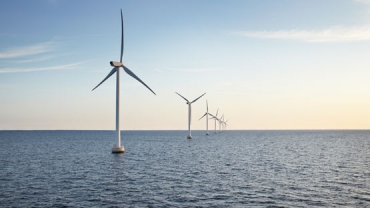
Onshore wind energy is the backbone of Germany’s energy transition and one of the driving forces behind Germany’s future energy supply. The German onshore wind market is a key component of the country’s energy transition, which aims to increase the share of renewable energy and reduce CO2 emissions. Germany already has a significant installed capacity of onshore wind turbines and has set ambitious targets for the future. The German government has adopted policies to support the expansion of onshore wind. The expansion of onshore wind energy is supported by the Renewable Energy Sources Act (EEG). It guarantees operators a market premium for the electricity generated over a fixed period of time, which is determined by auction and supports the economic viability of such projects. However, for the successful implementation of an onshore wind project, various other complex technical, economic, regulatory, and tax-related questions must also be addressed.
Our experts have decades of experience in this field. Leverage our expertise and specialised global and multi-disciplinary industry network to ensure the success of your project.
Continue reading to find out more about us. Or give us a call. We look forward to hearing from you.
Our experience and expertise
< Back
< Back
[+] Read More
Meet our team
Contact us
A reliable partner: from market entry to implementation
PwC’s energy experts have been actively involved in shaping the onshore wind energy market since the introduction of the EEG in 2000. Since then, PwC’s clients have benefited from our highly specialised teams, their extensive industry experience and PwC’s global network in numerous projects. This is true whether they were looking for support across the value chain – from strategic advice to project finance and transaction support – or whether they have engaged PwC for specific tasks. Your success is always at the heart of everything we do.
*Services are provided by PwC Legal AG.
We understand your challenges and those of the market
Onshore wind energy is the most important generation technology in Germany and is already making a significant contribution to diversifying the energy mix, reducing greenhouse gas emissions, lowering electricity costs and enhancing the resilience and independence of the energy supply. The Renewable Energy Act (EEG) takes on a central role by providing financial incentives for wind energy production and promoting the integration of wind turbines into the national electricity grid.
Despite already accounting for the largest share of electricity generation by any single technology in Germany, onshore wind energy projects face many challenges. While lengthy approval processes used to be the main bottleneck in project implementation, falling revenues due to fierce competition in tenders are now posing problems for market players. In this context, adjustments to the regulatory framework are particularly important, such as the implementation of new requirements under EEG 2027 and the Grid Package. Furthermore, issues relating to site selection, the availability of suitable grid connection points, and local acceptance remain key factors in successfully implementing the necessary expansion.

Follow us


Contact us